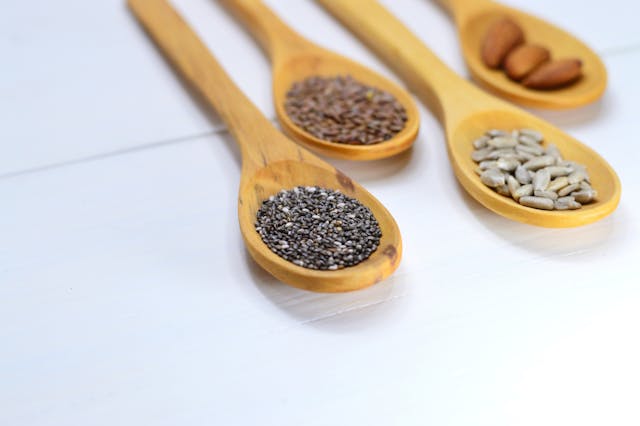
Chia Seeds: The Tiny Superfood That Can Help Keep Kids Regular
As parents, we’re always looking for simple ways to make our kids’ meals a little healthier—without triggering the dreaded “I don’t like it” reaction. One easy win? Chia seeds. These tiny, nutrient-packed seeds are a fantastic way to sneak extra fiber into your child’s diet, helping to keep their digestion running smoothly without changing the taste of their favorite foods.
Why Fiber Matters for Kids
Fiber is essential for healthy digestion, and it plays a big role in preventing constipation—a common issue for children. Adequate fiber helps keep things moving in the digestive tract, supports gut health, and can even help kids feel full longer. Unfortunately, many kids don’t get enough fiber from their usual diets. That’s where chia seeds can help.
The Power of Chia Seeds
Just one tablespoon of chia seeds contains around 5 grams of fiber—a big boost for such a small amount of food. They also pack in omega-3 fatty acids, protein, and minerals like calcium and magnesium, making them a true nutritional bonus.
Kid-Friendly Ways to Use Chia Seeds
- Smoothies – Add a teaspoon or two into fruit or yogurt-based smoothies. They blend right in and don’t affect the flavor.
- Baking – Mix chia seeds into muffins, banana bread, or pancakes for extra nutrition in every bite.
- Sprinkle on Cereal or Yogurt – A quick shake over breakfast adds fiber without fuss.
- Pancakes or Waffles – Stir into batter before cooking; kids won’t notice, but their digestion will thank you.
- Chia Pudding – For adventurous eaters, soak chia seeds in milk or plant milk with a little honey and fruit for a fun, pudding-like treat.
Why Kids Won’t Notice Them
Chia seeds have a very mild, almost unnoticeable flavor, especially when blended or baked into recipes. That means you can sneak them into meals without the pushback you might get from more obvious “healthy” ingredients.
Final Thoughts
Adding chia seeds to your child’s meals is an easy, low-effort way to support their digestive health and overall nutrition. Whether you stir them into a smoothie, bake them into pancakes, or sprinkle them on cereal, these tiny seeds can make a big difference—without making a big scene at the dinner table.